
How to Use Motor AK-70: Examples, Pinouts, and Specs
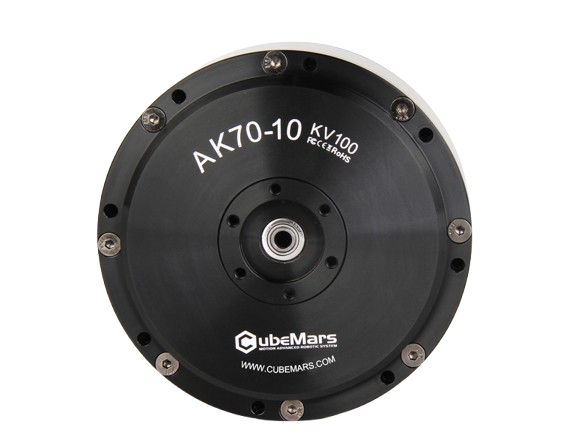
 Design with Motor AK-70 in Cirkit Designer
Introduction
The Motor AK-70, manufactured by ESP32, is a compact and efficient electric motor designed for a wide range of applications. It delivers reliable performance and high torque output in a small form factor, making it ideal for robotics, automation systems, and other precision-driven projects. Its robust design ensures durability and consistent operation, even under demanding conditions.
Explore Projects Built with Motor AK-70
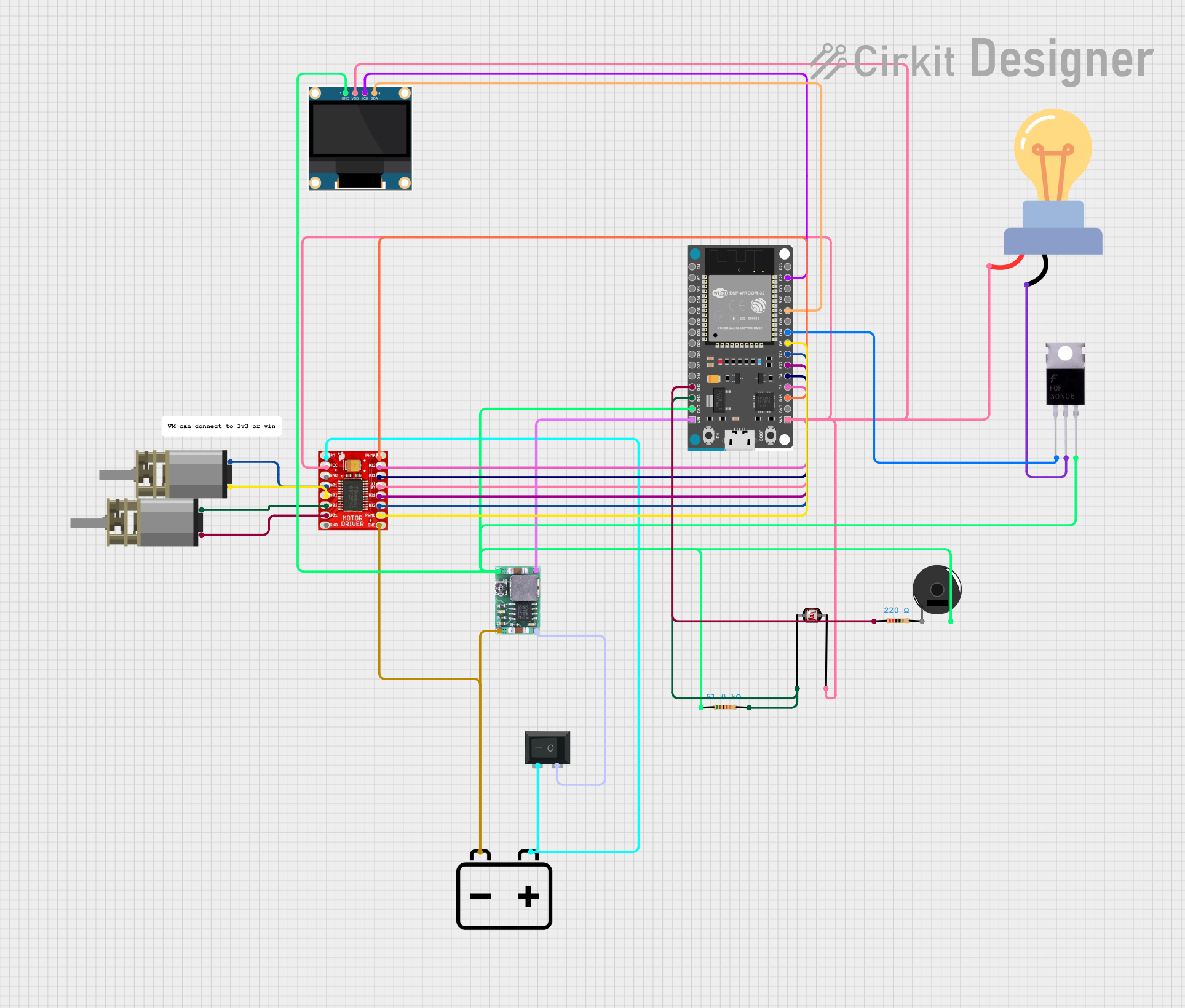 Open Project in Cirkit Designer
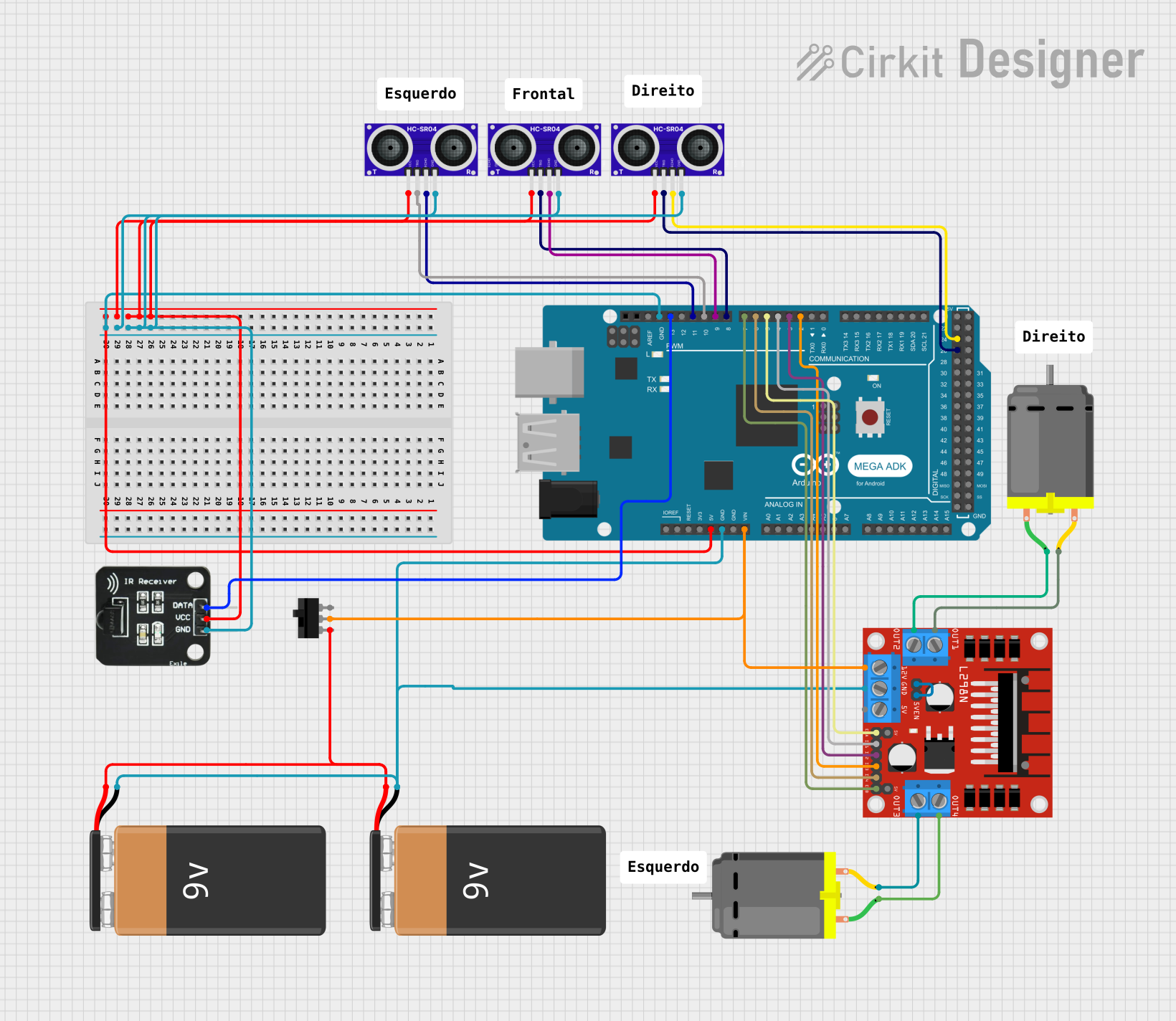 Open Project in Cirkit Designer
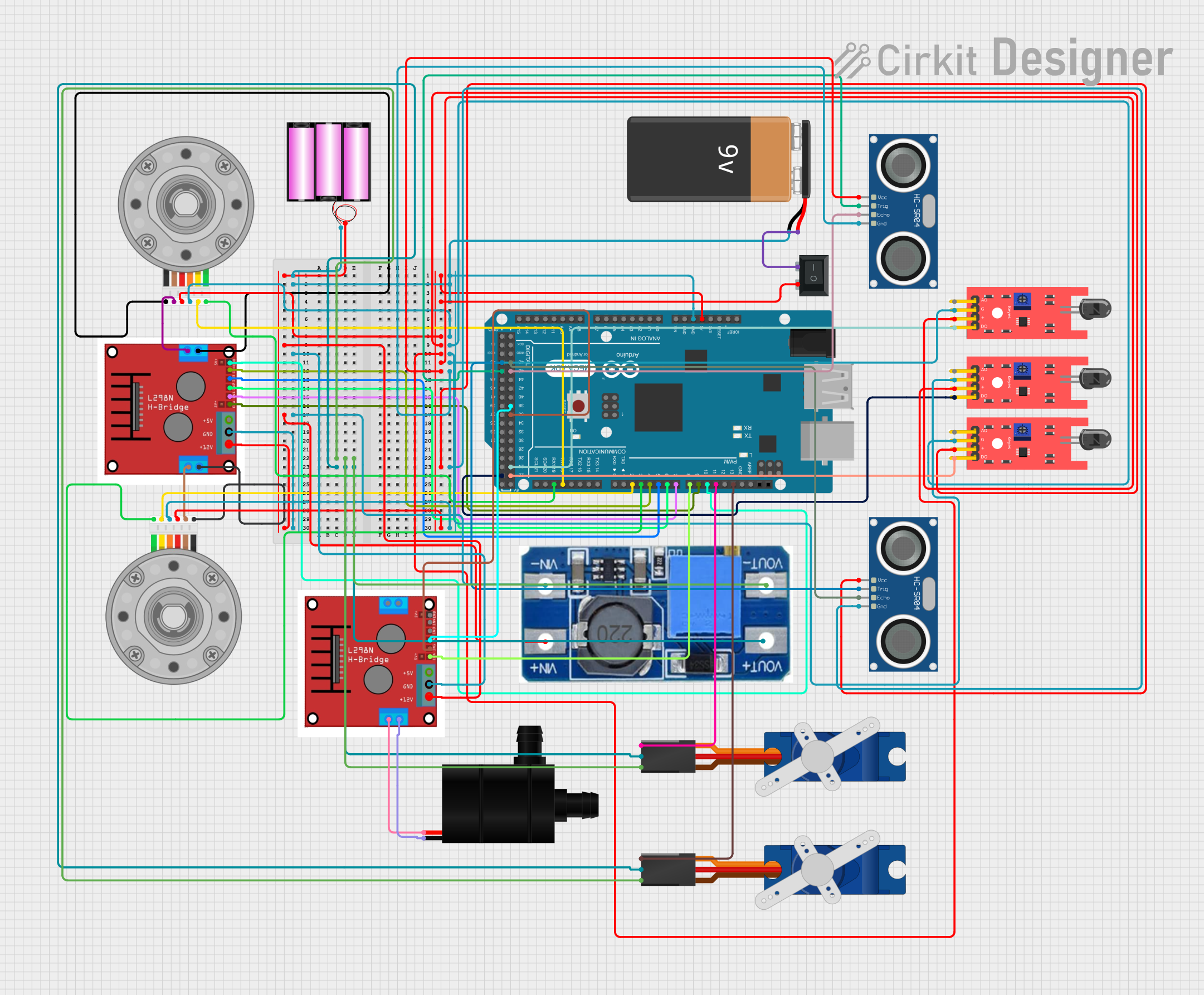 Open Project in Cirkit Designer
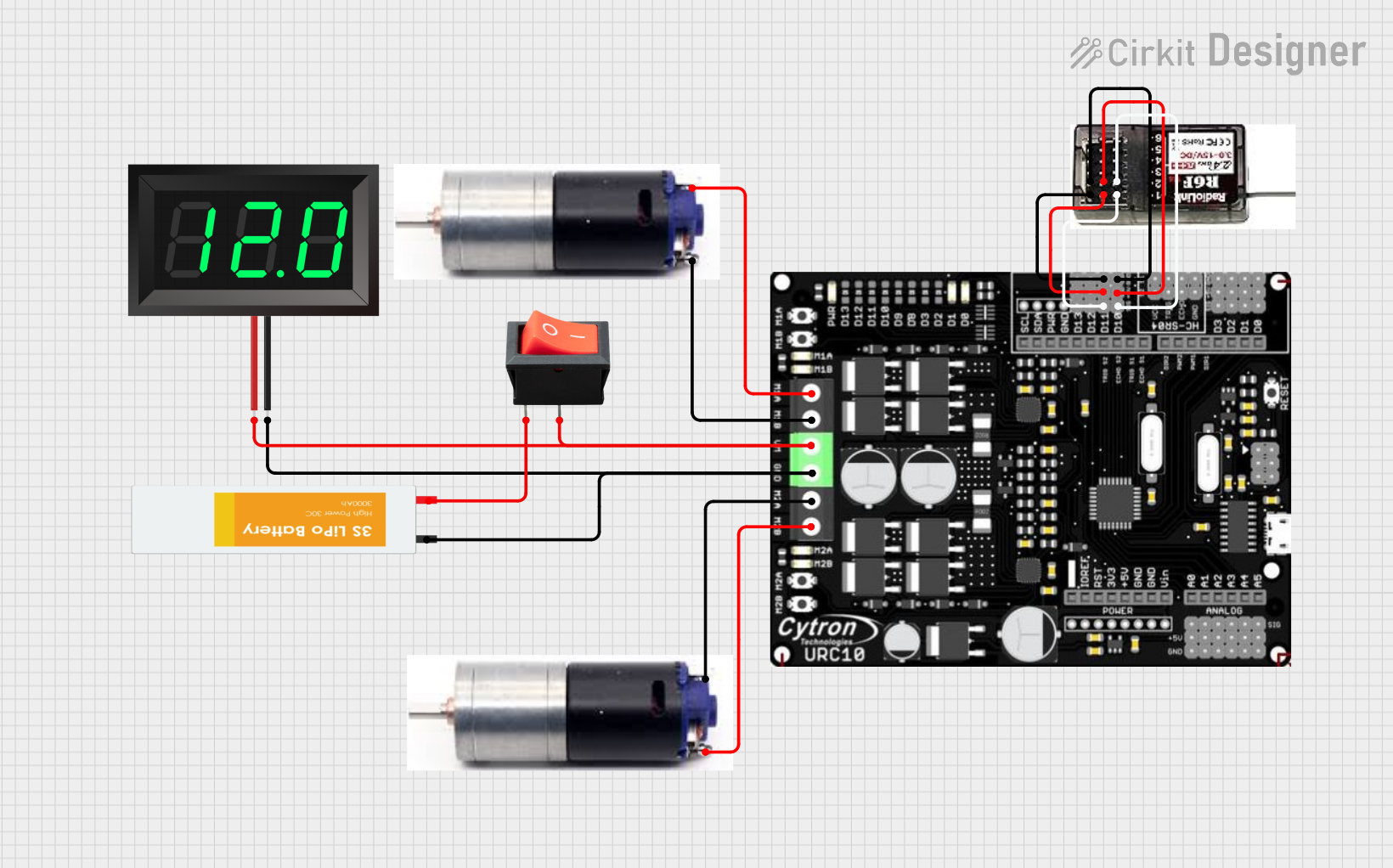 Open Project in Cirkit Designer
Explore Projects Built with Motor AK-70
Open Project in Cirkit DesignerOpen Project in Cirkit DesignerOpen Project in Cirkit DesignerOpen Project in Cirkit DesignerCommon Applications and Use Cases
- Robotics and automation systems
- Conveyor belts and industrial machinery
- Electric vehicles and drones
- Precision tools and equipment
- DIY electronics and hobbyist projects
Technical Specifications
The Motor AK-70 is engineered to provide optimal performance while maintaining energy efficiency. Below are its key technical details:
General Specifications
| Parameter | Value |
|---|---|
| Manufacturer | ESP32 |
| Part ID | Motor |
| Motor Type | Brushless DC (BLDC) |
| Rated Voltage | 12V DC |
| Operating Voltage Range | 9V - 15V DC |
| Rated Current | 2.5A |
| Stall Current | 5A |
| Rated Torque | 0.7 Nm |
| Maximum Torque | 1.2 Nm |
| No-Load Speed | 3000 RPM |
| Efficiency | 85% |
| Dimensions | 70mm x 35mm x 35mm |
| Weight | 250g |
Pin Configuration and Descriptions
The Motor AK-70 features a 3-pin connector for power and control. Below is the pinout:
| Pin Number | Pin Name | Description |
|---|---|---|
| 1 | VCC | Power supply input (9V - 15V DC) |
| 2 | GND | Ground connection |
| 3 | PWM | Pulse Width Modulation input for speed control |
Usage Instructions
The Motor AK-70 is straightforward to integrate into your projects. Follow the steps below to use it effectively:
Connecting the Motor
- Power Supply: Connect the VCC pin to a 12V DC power source and the GND pin to the ground of your circuit.
- PWM Control: Use a microcontroller (e.g., Arduino UNO) to send a PWM signal to the PWM pin. This signal controls the motor's speed.
Important Considerations
- Ensure the power supply voltage is within the operating range (9V - 15V DC).
- Use a motor driver or MOSFET circuit to handle the current if your microcontroller cannot supply sufficient current.
- Avoid stalling the motor for extended periods, as this may cause overheating or damage.
- Use appropriate heat dissipation methods if the motor operates continuously under high loads.
Example Code for Arduino UNO
Below is an example of how to control the Motor AK-70 using an Arduino UNO:
// Motor AK-70 Control Example
// This code demonstrates how to control the speed of the Motor AK-70
// using PWM signals from an Arduino UNO.

const int motorPWM = 9; // PWM pin connected to the motor's PWM input

void setup() {
  pinMode(motorPWM, OUTPUT); // Set the motor PWM pin as an output
}

void loop() {
  // Gradually increase motor speed
  for (int speed = 0; speed <= 255; speed += 5) {
    analogWrite(motorPWM, speed); // Send PWM signal to motor
    delay(50); // Wait for 50ms
  }

  // Gradually decrease motor speed
  for (int speed = 255; speed >= 0; speed -= 5) {
    analogWrite(motorPWM, speed); // Send PWM signal to motor
    delay(50); // Wait for 50ms
  }
}
Best Practices
- Use a capacitor across the VCC and GND pins to reduce noise and voltage spikes.
- If using the motor in a high-torque application, ensure the mounting is secure to prevent vibrations.
- Regularly inspect the motor for wear and tear, especially in long-term projects.
Troubleshooting and FAQs
Common Issues and Solutions
Motor Does Not Start
- Cause: Insufficient power supply or incorrect wiring.
- Solution: Verify the power supply voltage and ensure all connections are secure.
Motor Overheats
- Cause: Prolonged stalling or excessive load.
- Solution: Reduce the load or use a cooling mechanism such as a heat sink or fan.
Inconsistent Speed
- Cause: Noisy PWM signal or unstable power supply.
- Solution: Use a capacitor to filter noise and ensure a stable power source.
Motor Vibrates Excessively
- Cause: Loose mounting or unbalanced load.
- Solution: Secure the motor firmly and balance the load.
FAQs
Q: Can the Motor AK-70 be used with a 24V power supply?
A: No, the motor is designed for a maximum operating voltage of 15V DC. Using a higher voltage may damage the motor.
Q: What is the recommended PWM frequency for speed control?
A: A PWM frequency between 1 kHz and 10 kHz is recommended for optimal performance.
Q: Can the motor be used in reverse?
A: Yes, but you will need a motor driver or H-bridge circuit to reverse the polarity safely.
Q: Is the Motor AK-70 waterproof?
A: No, the motor is not waterproof. Avoid exposing it to water or moisture.
By following this documentation, you can effectively integrate the Motor AK-70 into your projects and ensure reliable performance.