
How to Use Tetrix 12v battery: Examples, Pinouts, and Specs
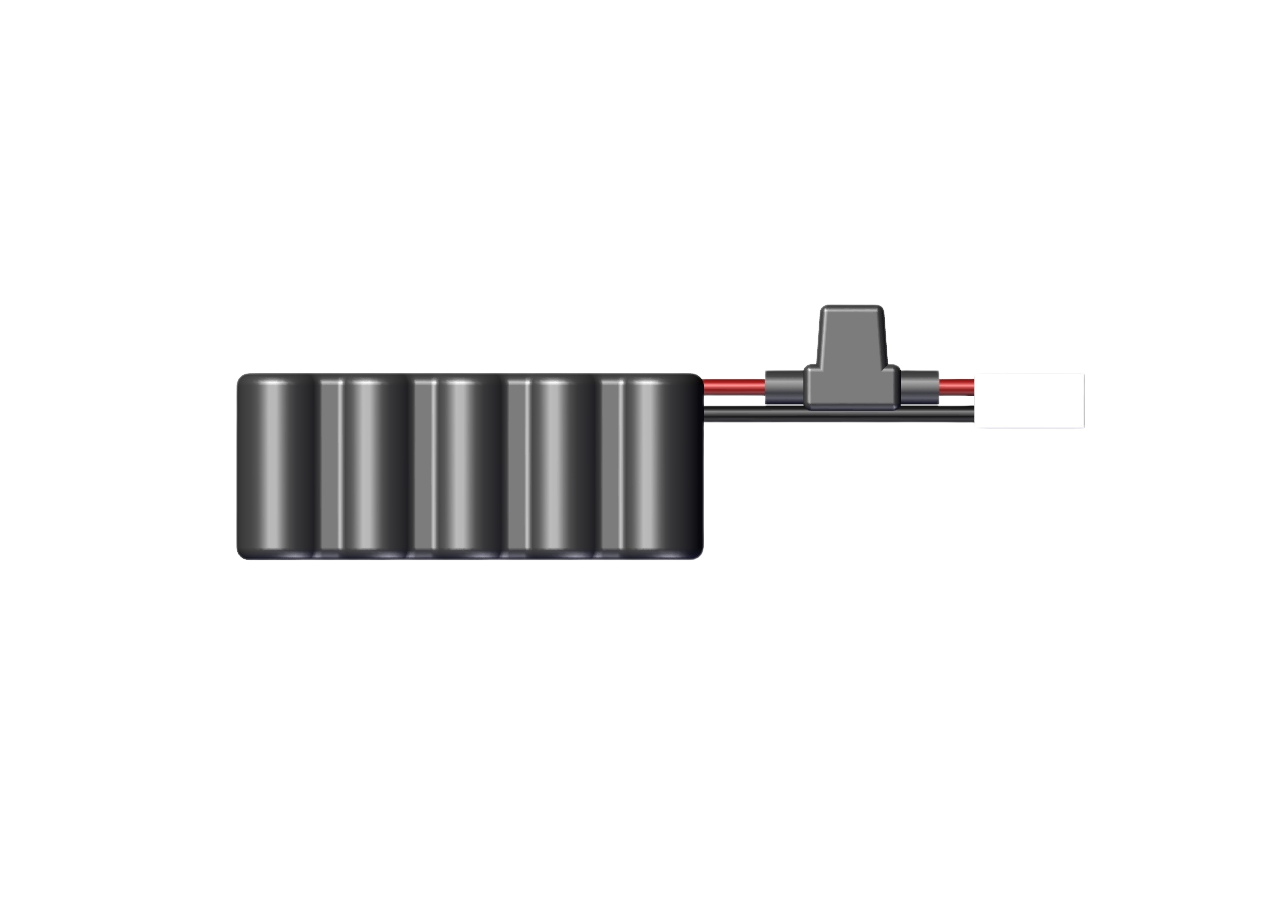
 Design with Tetrix 12v battery in Cirkit Designer
Introduction
The Tetrix 12V Battery, manufactured by PITSCO TETRIX, is a rechargeable power source designed for robotics and electronics projects. It provides a stable 12-volt power supply, making it ideal for powering motors, controllers, and other electronic components in a variety of applications. Its robust design ensures reliable performance in demanding environments, such as educational robotics competitions and prototyping.
Explore Projects Built with Tetrix 12v battery
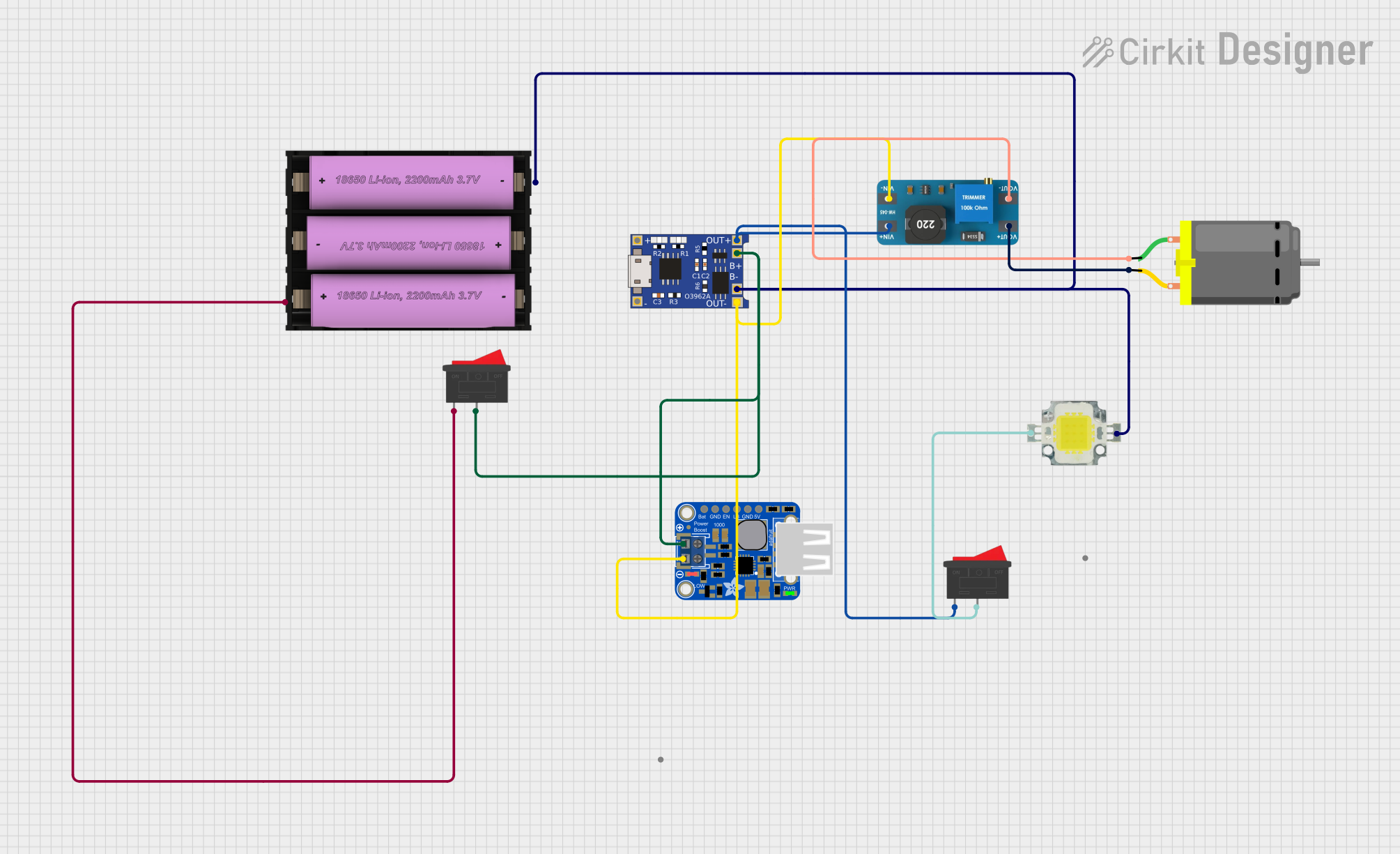 Open Project in Cirkit Designer
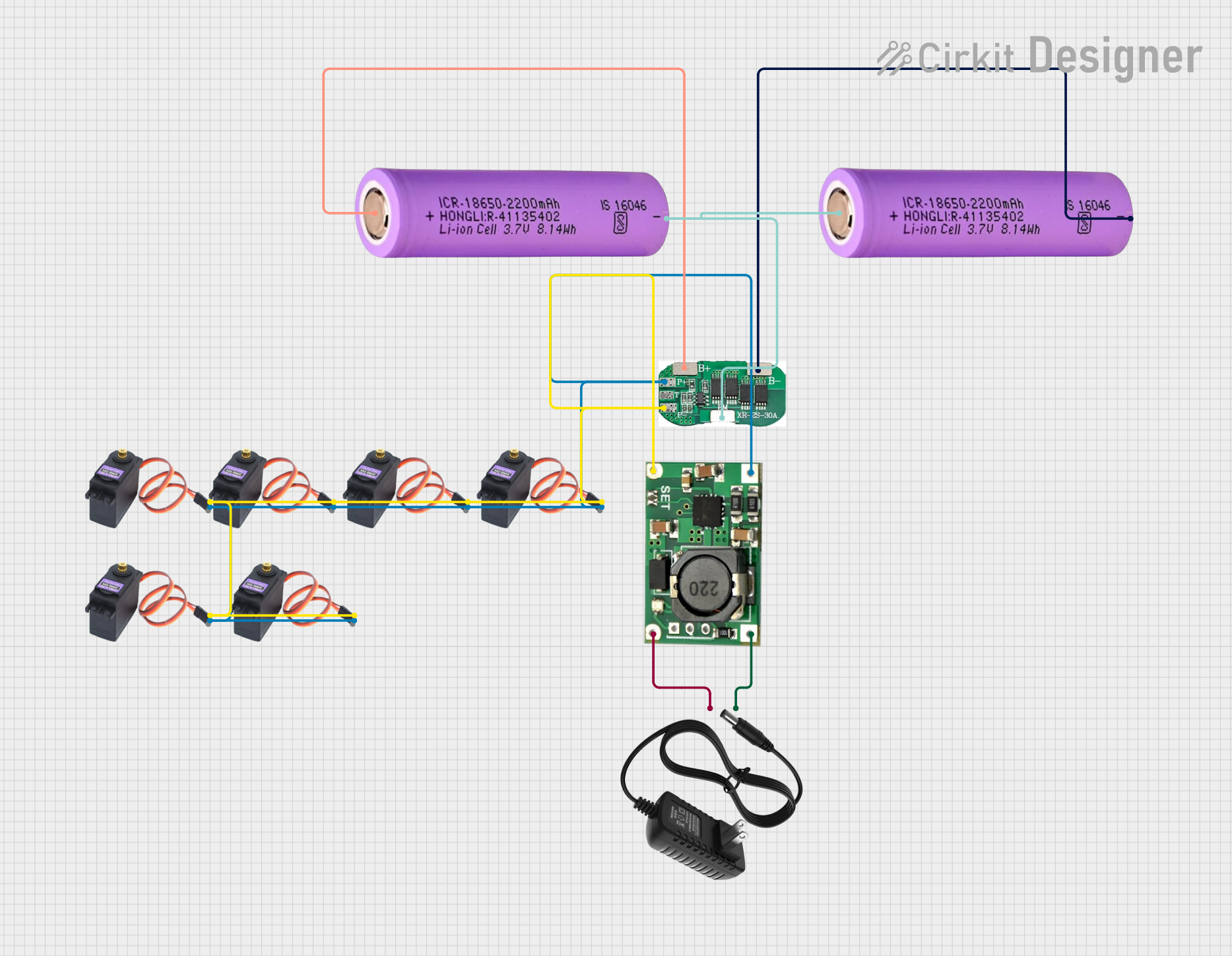 Open Project in Cirkit Designer
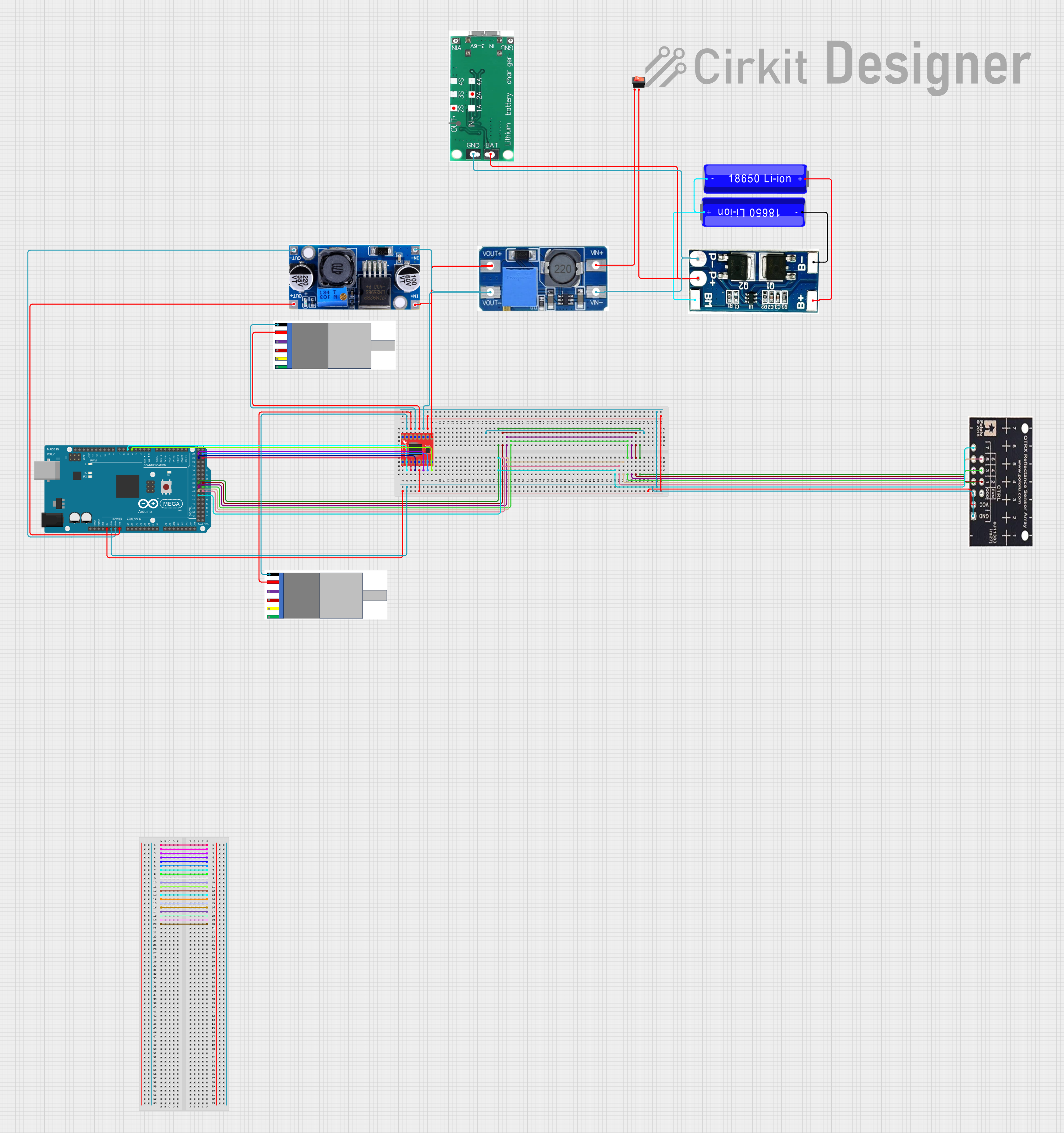 Open Project in Cirkit Designer
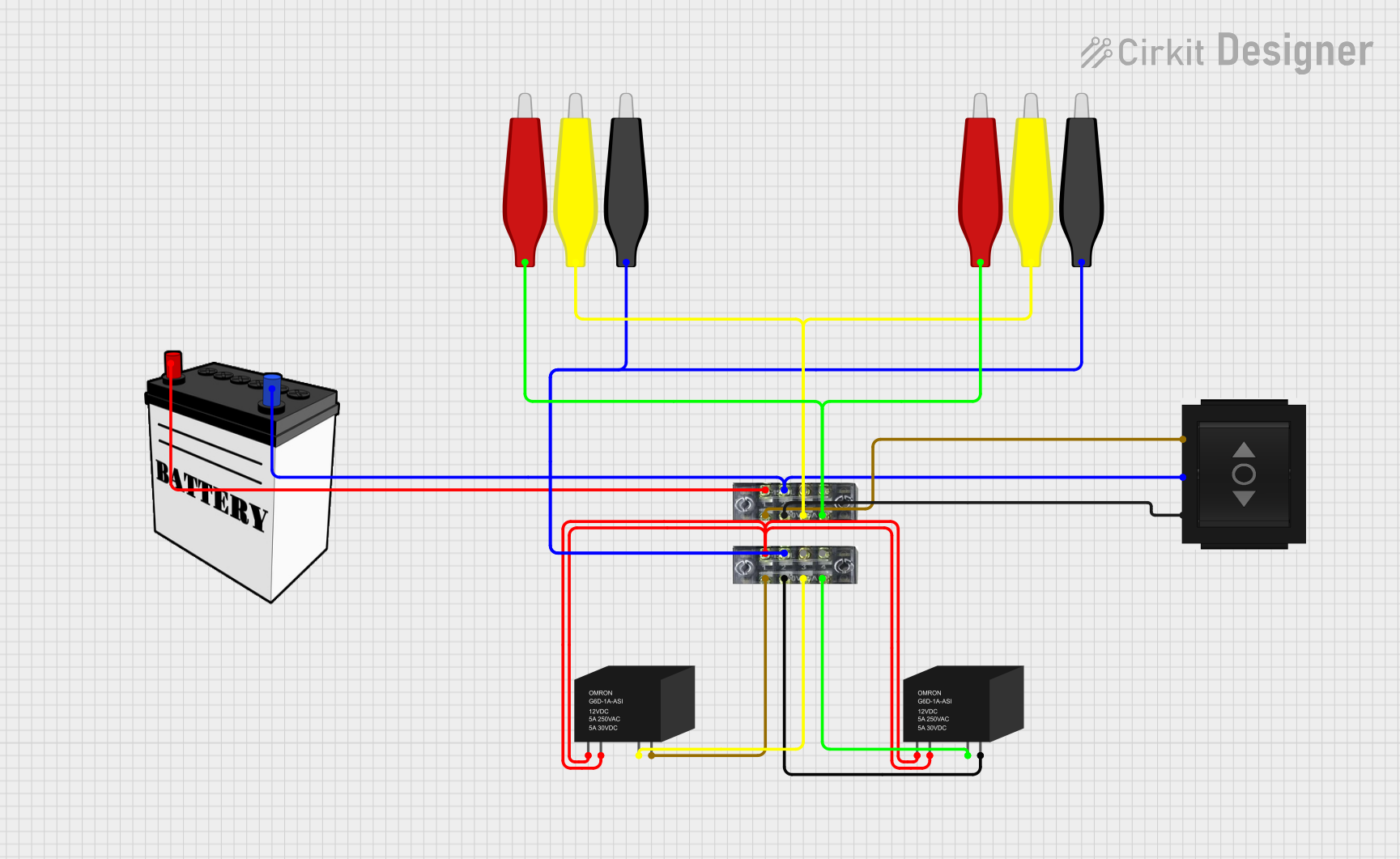 Open Project in Cirkit Designer
Explore Projects Built with Tetrix 12v battery
Open Project in Cirkit DesignerOpen Project in Cirkit DesignerOpen Project in Cirkit DesignerOpen Project in Cirkit DesignerCommon Applications and Use Cases
- Powering DC motors and servo motors in robotics projects
- Supplying energy to microcontrollers, motor controllers, and sensors
- Use in FIRST Tech Challenge (FTC) and other robotics competitions
- General-purpose power source for electronics prototyping
Technical Specifications
The following table outlines the key technical details of the Tetrix 12V Battery:
| Specification | Details |
|---|---|
| Manufacturer | PITSCO TETRIX |
| Nominal Voltage | 12V |
| Capacity | 3,000 mAh (3 Ah) |
| Chemistry | Sealed Lead Acid (SLA) |
| Maximum Discharge Current | 30A |
| Charging Voltage | 14.4V to 15V |
| Charging Current | 0.9A (recommended) |
| Dimensions | 151mm x 65mm x 94mm |
| Weight | 1.2 kg |
| Connector Type | Tamiya-style connector |
| Operating Temperature | -20°C to 50°C |
| Storage Temperature | -20°C to 40°C |
Pin Configuration and Descriptions
The Tetrix 12V Battery uses a Tamiya-style connector with two pins:
| Pin | Description | Notes |
|---|---|---|
| Pin 1 | Positive Terminal (+) | Connect to the positive input of the load |
| Pin 2 | Negative Terminal (-) | Connect to the ground or negative input |
Usage Instructions
How to Use the Tetrix 12V Battery in a Circuit
- Connection: Use the Tamiya-style connector to connect the battery to your circuit. Ensure the polarity matches the input requirements of your load (e.g., motor controller or microcontroller).
- Charging: Use a compatible SLA battery charger with a charging voltage of 14.4V to 15V and a current of 0.9A. Avoid overcharging to extend battery life.
- Powering Components: The battery can directly power 12V DC motors, motor controllers, and other components. For devices requiring lower voltages, use a voltage regulator.
Important Considerations and Best Practices
- Polarity: Always double-check the polarity of the connections to avoid damaging your components.
- Charging: Use only chargers designed for SLA batteries to prevent overcharging or overheating.
- Discharge Limits: Avoid discharging the battery below 10.5V to prevent damage to the internal cells.
- Storage: Store the battery in a cool, dry place when not in use. Charge the battery every 3-6 months during long-term storage to maintain its capacity.
- Safety: Do not short-circuit the terminals or expose the battery to fire or water.
Example: Connecting to an Arduino UNO
To use the Tetrix 12V Battery with an Arduino UNO, you can connect the battery to a voltage regulator (e.g., LM7805) to step down the voltage to 5V. Below is an example circuit and code:
Circuit Setup
- Connect the positive terminal of the battery to the input pin of the LM7805 regulator.
- Connect the ground terminal of the battery to the ground pin of the LM7805.
- Connect the output pin of the LM7805 to the 5V pin of the Arduino UNO.
- Connect the ground pin of the LM7805 to the GND pin of the Arduino UNO.
Example Code
// Example code to blink an LED using Arduino UNO powered by Tetrix 12V Battery
// The battery is connected via an LM7805 voltage regulator to provide 5V.

const int ledPin = 13; // Pin connected to the onboard LED

void setup() {
  pinMode(ledPin, OUTPUT); // Set the LED pin as an output
}

void loop() {
  digitalWrite(ledPin, HIGH); // Turn the LED on
  delay(1000);                // Wait for 1 second
  digitalWrite(ledPin, LOW);  // Turn the LED off
  delay(1000);                // Wait for 1 second
}
Troubleshooting and FAQs
Common Issues and Solutions
Battery Not Charging
- Cause: Charger not compatible or faulty.
- Solution: Ensure the charger is designed for SLA batteries and outputs the correct voltage and current.
Battery Drains Quickly
- Cause: Over-discharge or aging battery.
- Solution: Avoid discharging below 10.5V. Replace the battery if it no longer holds a charge.
Device Not Powering On
- Cause: Incorrect polarity or loose connections.
- Solution: Verify the polarity and ensure all connections are secure.
Battery Overheating
- Cause: Overcharging or excessive discharge current.
- Solution: Use a charger with the recommended current and avoid drawing more than 30A.
FAQs
Q: Can I use the Tetrix 12V Battery to power a Raspberry Pi?
A: Yes, but you will need a voltage regulator (e.g., a buck converter) to step down the voltage to 5V, as the Raspberry Pi operates at 5V.
Q: How long does it take to fully charge the battery?
A: With a 0.9A charger, it typically takes around 4-5 hours to fully charge the battery.
Q: Can I use the battery in cold environments?
A: Yes, the battery operates in temperatures as low as -20°C, but performance may decrease in extreme cold.
Q: How do I dispose of the battery?
A: Dispose of the battery at a certified recycling facility for lead-acid batteries. Do not throw it in regular trash.