
How to Use LM393: Examples, Pinouts, and Specs
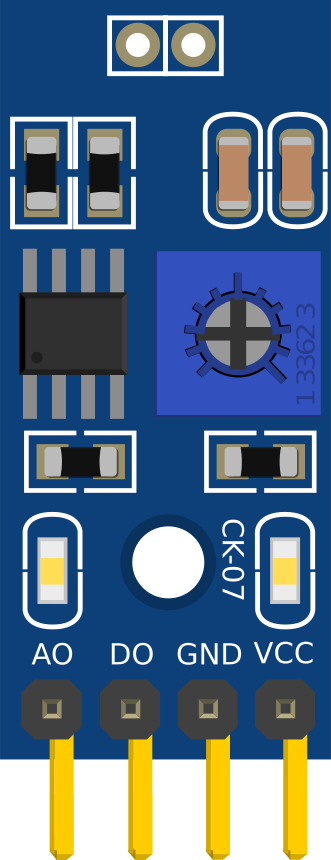
 Design with LM393 in Cirkit Designer
Introduction
The LM393 is a dual comparator integrated circuit (IC) designed to compare two input voltages and output a digital signal based on the comparison. It features two independent voltage comparators in a single package, making it a versatile and cost-effective solution for a wide range of applications. The LM393 operates with a wide range of supply voltages and is known for its low power consumption.
Explore Projects Built with LM393
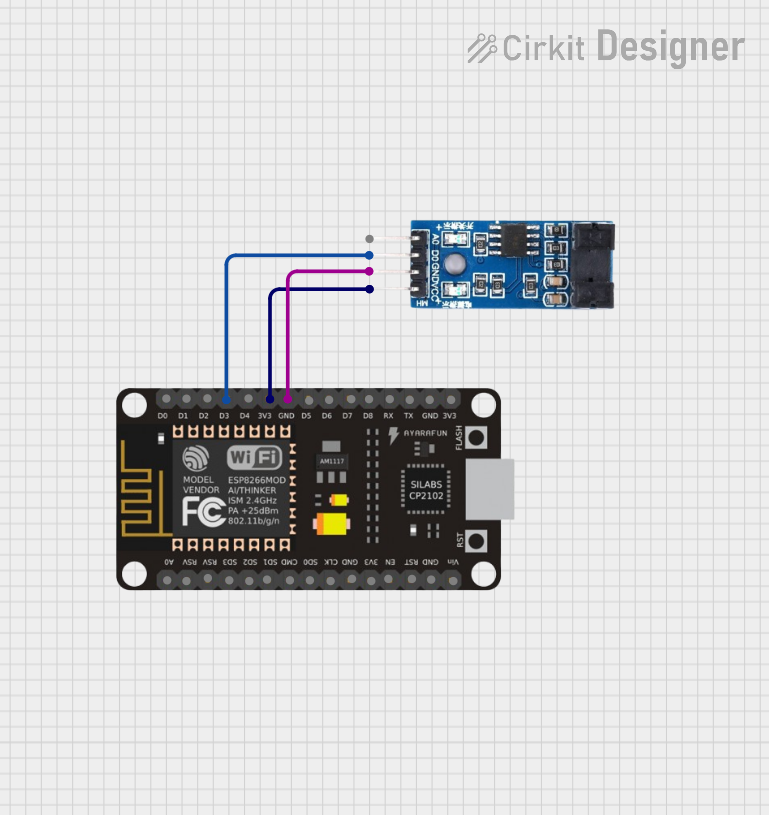 Open Project in Cirkit Designer
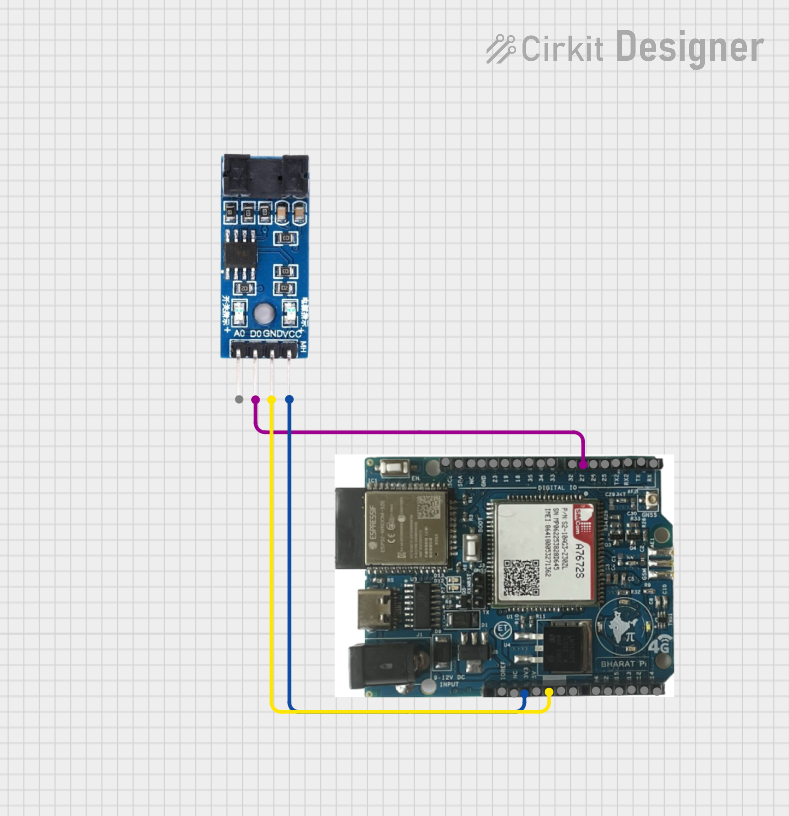 Open Project in Cirkit Designer
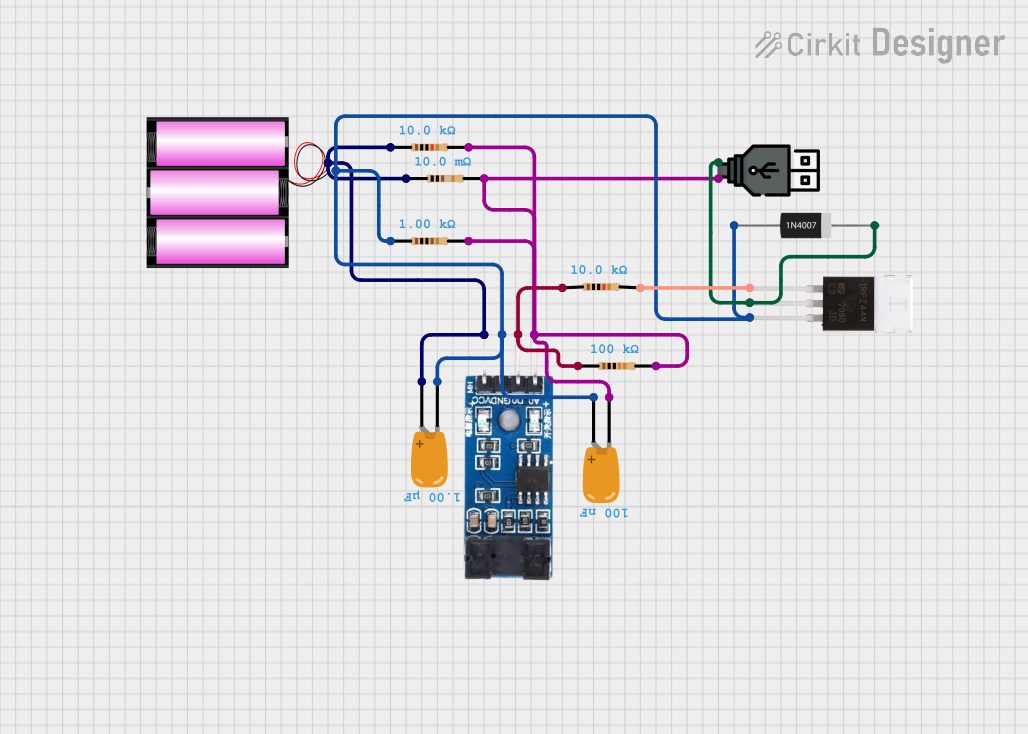 Open Project in Cirkit Designer
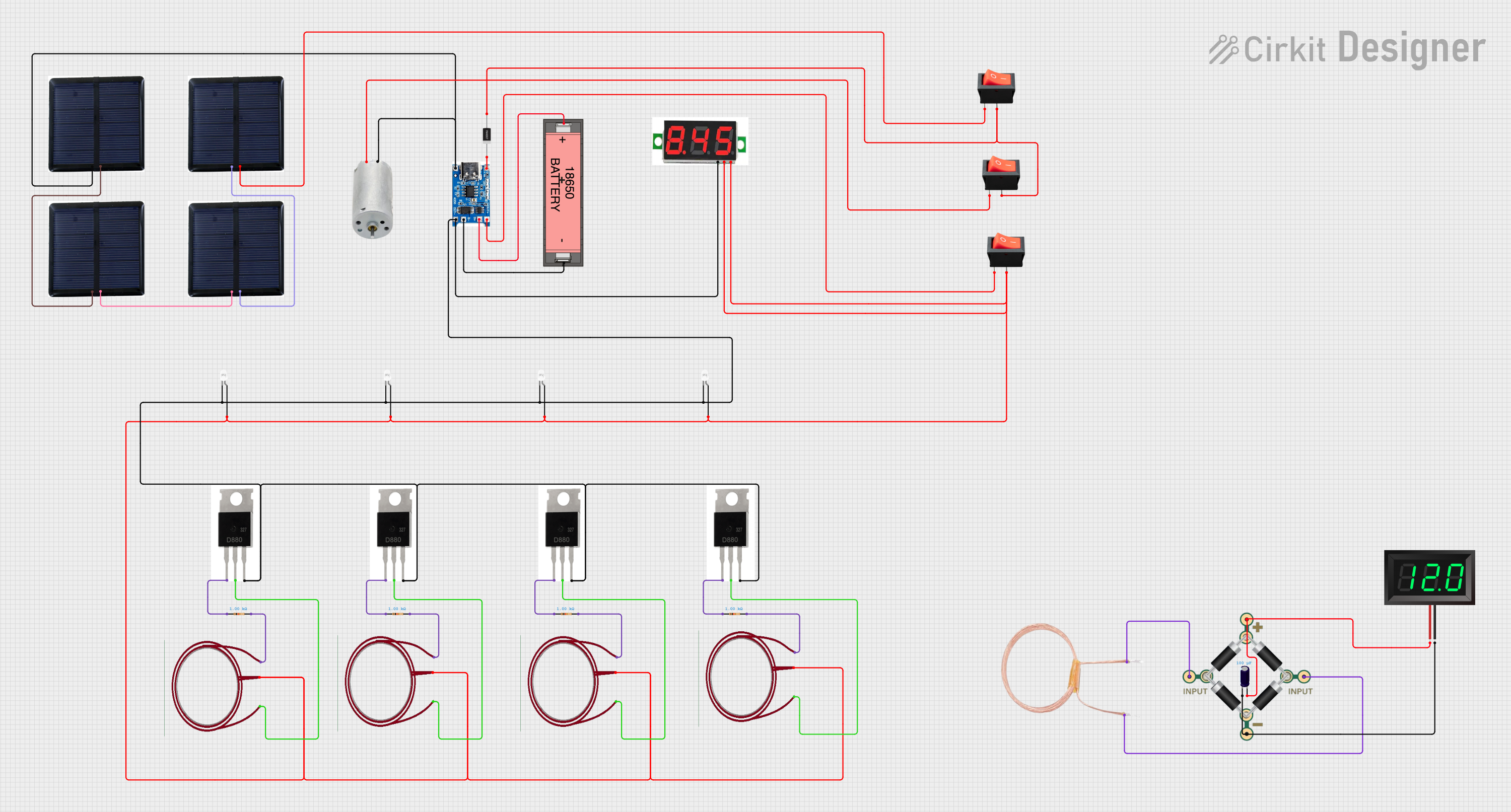 Open Project in Cirkit Designer
Explore Projects Built with LM393
Open Project in Cirkit DesignerOpen Project in Cirkit DesignerOpen Project in Cirkit DesignerOpen Project in Cirkit DesignerCommon Applications
- Voltage level detection
- Signal conditioning
- Zero-crossing detection
- Pulse-width modulation (PWM) circuits
- Analog-to-digital signal conversion
- Control systems and automation
Technical Specifications
The LM393 is a robust and reliable IC with the following key technical specifications:
| Parameter | Value |
|---|---|
| Supply Voltage (Vcc) | 2V to 36V |
| Input Offset Voltage | ±5 mV (typical) |
| Input Bias Current | 25 nA (typical) |
| Output Sink Current | 6 mA (typical) |
| Response Time | 1.3 µs (for 5 mV input step) |
| Operating Temperature Range | -40°C to +85°C |
| Package Types | DIP-8, SOIC-8, TSSOP-8 |
Pin Configuration and Descriptions
The LM393 is typically available in an 8-pin package. Below is the pin configuration and description:
| Pin Number | Pin Name | Description |
|---|---|---|
| 1 | Output 1 | Output of comparator 1 |
| 2 | Inverting Input 1 (-) | Inverting input of comparator 1 |
| 3 | Non-Inverting Input 1 (+) | Non-inverting input of comparator 1 |
| 4 | GND | Ground (0V reference) |
| 5 | Non-Inverting Input 2 (+) | Non-inverting input of comparator 2 |
| 6 | Inverting Input 2 (-) | Inverting input of comparator 2 |
| 7 | Output 2 | Output of comparator 2 |
| 8 | Vcc | Positive power supply (2V to 36V) |
Usage Instructions
The LM393 is straightforward to use in a variety of circuits. Below are the steps and considerations for using the component effectively:
Basic Circuit Setup
- Power Supply: Connect the Vcc pin (Pin 8) to a positive voltage source (2V to 36V) and the GND pin (Pin 4) to ground.
- Inputs: Connect the voltage signals to the inverting (-) and non-inverting (+) input pins of the comparator.
- Output: The output pin will provide a digital signal (low or high) based on the comparison of the input voltages:
- If the voltage at the non-inverting input (+) is greater than the inverting input (-), the output will be low (close to GND).
- If the voltage at the inverting input (-) is greater than the non-inverting input (+), the output will be high (open-collector output).
Important Considerations
- Pull-Up Resistor: The LM393 has an open-collector output, so a pull-up resistor is required to ensure proper operation. Connect a resistor (e.g., 10 kΩ) between the output pin and the positive supply voltage (Vcc).
- Input Voltage Range: Ensure that the input voltages remain within the common-mode voltage range, which is typically 0V to (Vcc - 1.5V).
- Bypass Capacitor: Place a decoupling capacitor (e.g., 0.1 µF) close to the Vcc pin to reduce noise and improve stability.
Example: Using LM393 with Arduino UNO
The LM393 can be used with an Arduino UNO for voltage level detection. Below is an example circuit and code:
Circuit Description
- Connect the non-inverting input (+) of comparator 1 to a voltage divider circuit.
- Connect the inverting input (-) of comparator 1 to a reference voltage (e.g., 2.5V).
- Connect the output of comparator 1 to a digital input pin on the Arduino.
Arduino Code
// LM393 Comparator Example with Arduino UNO
// This code reads the output of the LM393 and turns on an LED if the input
// voltage exceeds the reference voltage.

const int comparatorOutputPin = 2; // LM393 output connected to digital pin 2
const int ledPin = 13;             // Onboard LED pin

void setup() {
  pinMode(comparatorOutputPin, INPUT); // Set comparator output as input
  pinMode(ledPin, OUTPUT);            // Set LED pin as output
}

void loop() {
  int comparatorState = digitalRead(comparatorOutputPin); // Read LM393 output

  if (comparatorState == HIGH) {
    digitalWrite(ledPin, HIGH); // Turn on LED if input voltage is higher
  } else {
    digitalWrite(ledPin, LOW);  // Turn off LED otherwise
  }
}
Best Practices
- Use precision resistors in voltage divider circuits to ensure accurate voltage levels.
- Avoid exceeding the maximum voltage ratings to prevent damage to the IC.
- Use proper grounding techniques to minimize noise and interference.
Troubleshooting and FAQs
Common Issues
No Output Signal:
- Ensure the pull-up resistor is connected to the output pin.
- Verify that the input voltages are within the specified range.
Unstable Output:
- Add a small capacitor (e.g., 10 pF) between the input pins to filter noise.
- Check for proper decoupling of the power supply.
Incorrect Comparisons:
- Verify the polarity of the input connections.
- Ensure the reference voltage is stable and accurate.
FAQs
Q: Can the LM393 be used for AC signal comparison?
A: Yes, the LM393 can compare AC signals, but you may need to bias the inputs to ensure they remain within the common-mode voltage range.
Q: What is the purpose of the pull-up resistor?
A: The pull-up resistor ensures that the open-collector output of the LM393 can produce a valid high-level signal when the output transistor is off.
Q: Can I use the LM393 with a 3.3V power supply?
A: Yes, the LM393 operates with supply voltages as low as 2V, making it compatible with 3.3V systems.
By following this documentation, you can effectively integrate the LM393 into your projects and troubleshoot any issues that arise.