
How to Use Bigger Soil Moisture Sensor : Examples, Pinouts, and Specs
 Design with Bigger Soil Moisture Sensor in Cirkit Designer
Introduction
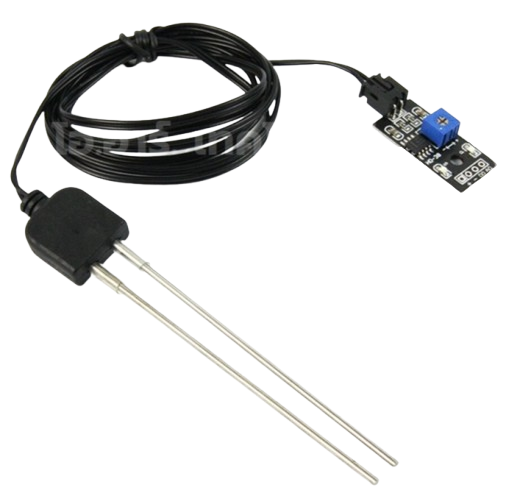
The Bigger Soil Moisture Sensor is a specialized electronic component designed to measure the moisture level in soil. It provides accurate and reliable data, making it an essential tool for optimizing irrigation systems and ensuring healthy plant growth. This sensor is particularly useful in agricultural automation, gardening, and environmental monitoring projects. Its larger size allows for improved sensitivity and durability, making it suitable for both small-scale and industrial applications.
Explore Projects Built with Bigger Soil Moisture Sensor
 Open Project in Cirkit Designer
 Open Project in Cirkit Designer
 Open Project in Cirkit Designer
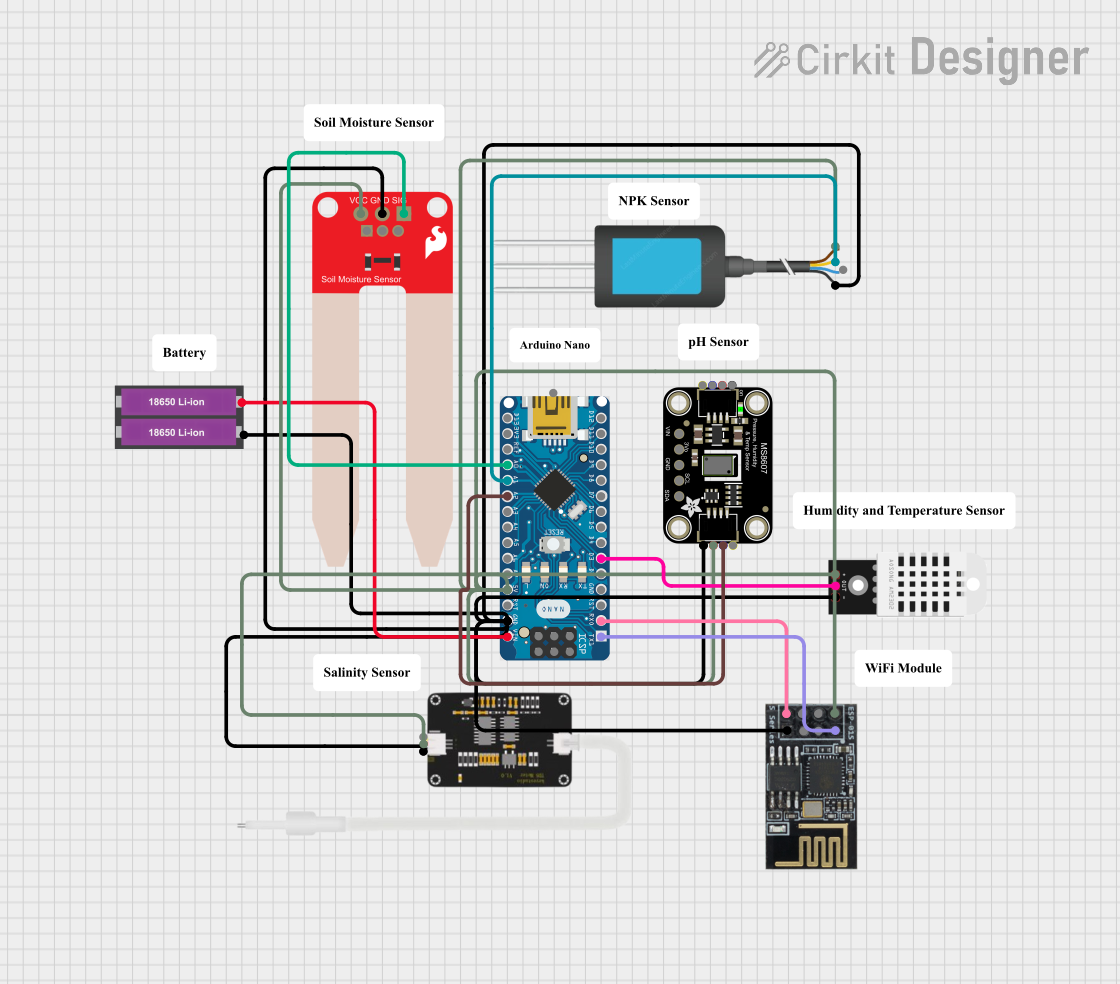 Open Project in Cirkit Designer
Explore Projects Built with Bigger Soil Moisture Sensor
Open Project in Cirkit DesignerOpen Project in Cirkit DesignerOpen Project in Cirkit DesignerOpen Project in Cirkit DesignerCommon Applications
- Automated irrigation systems
- Smart gardening projects
- Agricultural monitoring
- Environmental research and soil analysis
- DIY plant care systems
Technical Specifications
The Bigger Soil Moisture Sensor is designed for ease of use and compatibility with microcontrollers like Arduino and Raspberry Pi. Below are its key technical details:
General Specifications
| Parameter | Value |
|---|---|
| Operating Voltage | 3.3V - 5V |
| Operating Current | < 20mA |
| Output Type | Analog and Digital |
| Moisture Detection Range | 0% (dry) to 100% (wet) |
| Dimensions | Larger probe for increased |
| sensitivity and durability |
Pin Configuration
The sensor typically comes with three or four pins, depending on the model. Below is the pin configuration:
3-Pin Version
| Pin Name | Description |
|---|---|
| VCC | Power supply input (3.3V - 5V) |
| GND | Ground |
| OUT | Analog or digital output signal |
4-Pin Version
| Pin Name | Description |
|---|---|
| VCC | Power supply input (3.3V - 5V) |
| GND | Ground |
| A0 | Analog output signal |
| D0 | Digital output signal (threshold-based) |
Usage Instructions
Connecting the Sensor
- Power the Sensor: Connect the
VCCpin to a 3.3V or 5V power source and theGNDpin to ground. - Read Analog Output: Connect the
A0pin (if available) to an analog input pin on your microcontroller to measure the soil moisture level as a continuous value. - Use Digital Output: If using the
D0pin, adjust the onboard potentiometer to set a moisture threshold. The pin will output HIGH or LOW based on the soil moisture level.
Example Circuit with Arduino UNO
Below is an example of how to connect the Bigger Soil Moisture Sensor to an Arduino UNO:
- VCC → 5V on Arduino
- GND → GND on Arduino
- A0 → A0 on Arduino (for analog readings)
- D0 → Digital pin (optional, for threshold-based readings)
Sample Arduino Code
The following code demonstrates how to read analog values from the sensor and display the soil moisture level in the Serial Monitor:
// Define the analog pin connected to the sensor
const int sensorPin = A0;

// Variable to store the sensor value
int sensorValue;

void setup() {
  // Initialize serial communication at 9600 baud
  Serial.begin(9600);
}

void loop() {
  // Read the analog value from the sensor
  sensorValue = analogRead(sensorPin);

  // Map the sensor value to a percentage (0% to 100%)
  int moisturePercent = map(sensorValue, 0, 1023, 0, 100);

  // Print the moisture level to the Serial Monitor
  Serial.print("Soil Moisture Level: ");
  Serial.print(moisturePercent);
  Serial.println("%");

  // Wait for 1 second before the next reading
  delay(1000);
}
Best Practices
- Avoid submerging the sensor completely in water, as it is designed for soil use only.
- Clean the sensor probes after prolonged use to prevent corrosion.
- Use a pull-down resistor on the digital output pin if necessary to stabilize the signal.
- Calibrate the sensor for your specific soil type to improve accuracy.
Troubleshooting and FAQs
Common Issues
Inconsistent Readings:
- Cause: Corrosion or dirt on the sensor probes.
- Solution: Clean the probes with a soft cloth and ensure proper contact with the soil.
No Output Signal:
- Cause: Incorrect wiring or insufficient power supply.
- Solution: Double-check the connections and ensure the power supply matches the sensor's requirements.
Digital Output Always HIGH or LOW:
- Cause: Incorrect threshold setting on the potentiometer.
- Solution: Adjust the potentiometer to set the desired moisture threshold.
FAQs
Q: Can this sensor be used with a Raspberry Pi?
A: Yes, the sensor can be connected to a Raspberry Pi. Use an ADC (Analog-to-Digital Converter) module to read the analog output, as Raspberry Pi does not have built-in analog input pins.
Q: How deep should the sensor be inserted into the soil?
A: Insert the sensor probes at least halfway into the soil for accurate readings. Ensure the probes are in good contact with the soil.
Q: Is the sensor waterproof?
A: The probes are water-resistant but not fully waterproof. Avoid exposing the electronic module to water.
By following this documentation, you can effectively integrate the Bigger Soil Moisture Sensor into your projects and ensure optimal performance.